

Wialon Idling Reports
Unnecessary vehicle idling can increase fuel use and make it harder to understand how efficiently a fleet is operating. Wialon idling reports give fleet managers measurable information about how long tracked vehicles remain stationary while their engines are running. Depending on the installed hardware, available sensor data, and system configuration, Wialon can report idling time alongside engine hours, movement, mileage, fuel consumption, and other operating information. This visibility helps businesses identify recurring idling patterns and make informed decisions about driver practices and fleet efficiency.
See When Vehicles Spend Too Long Idling
Wialon helps fleet managers identify periods when vehicles are stationary with their engines running. Engine Hours reporting can separate time spent in motion from time spent idling, providing a clearer picture of how vehicles are actually being used. Managers can use this historical information to identify vehicles or operating practices associated with excessive idling and focus attention where improvements may have the greatest impact. Accurate idling detection depends on appropriate engine-hour or ignition information and speed data being transmitted by the tracking equipment.

Turn Idling Data Into Actionable Fuel Insights
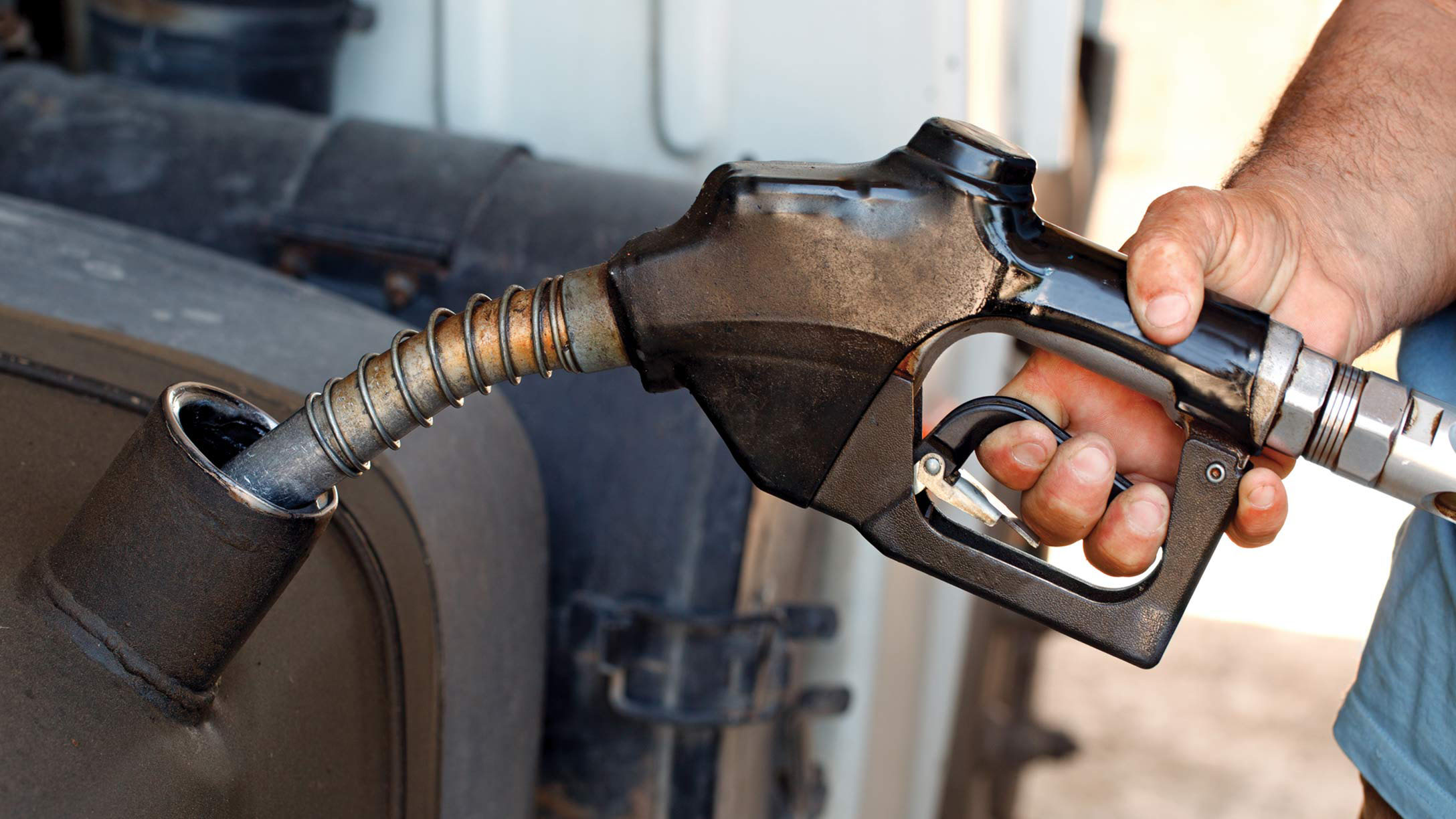
An engine that is running while a vehicle remains stationary can consume fuel without adding productive mileage. Wialon reporting can show fuel consumed during idle running when the required fuel data and configuration are available. By reviewing idling time together with fuel-consumption information, fleet managers can better understand how stationary engine operation contributes to overall fuel use. These insights can help businesses establish practical idling policies, evaluate changes over time, and identify opportunities to improve fuel efficiency.
Use Idling Reports to Support Driver Coaching
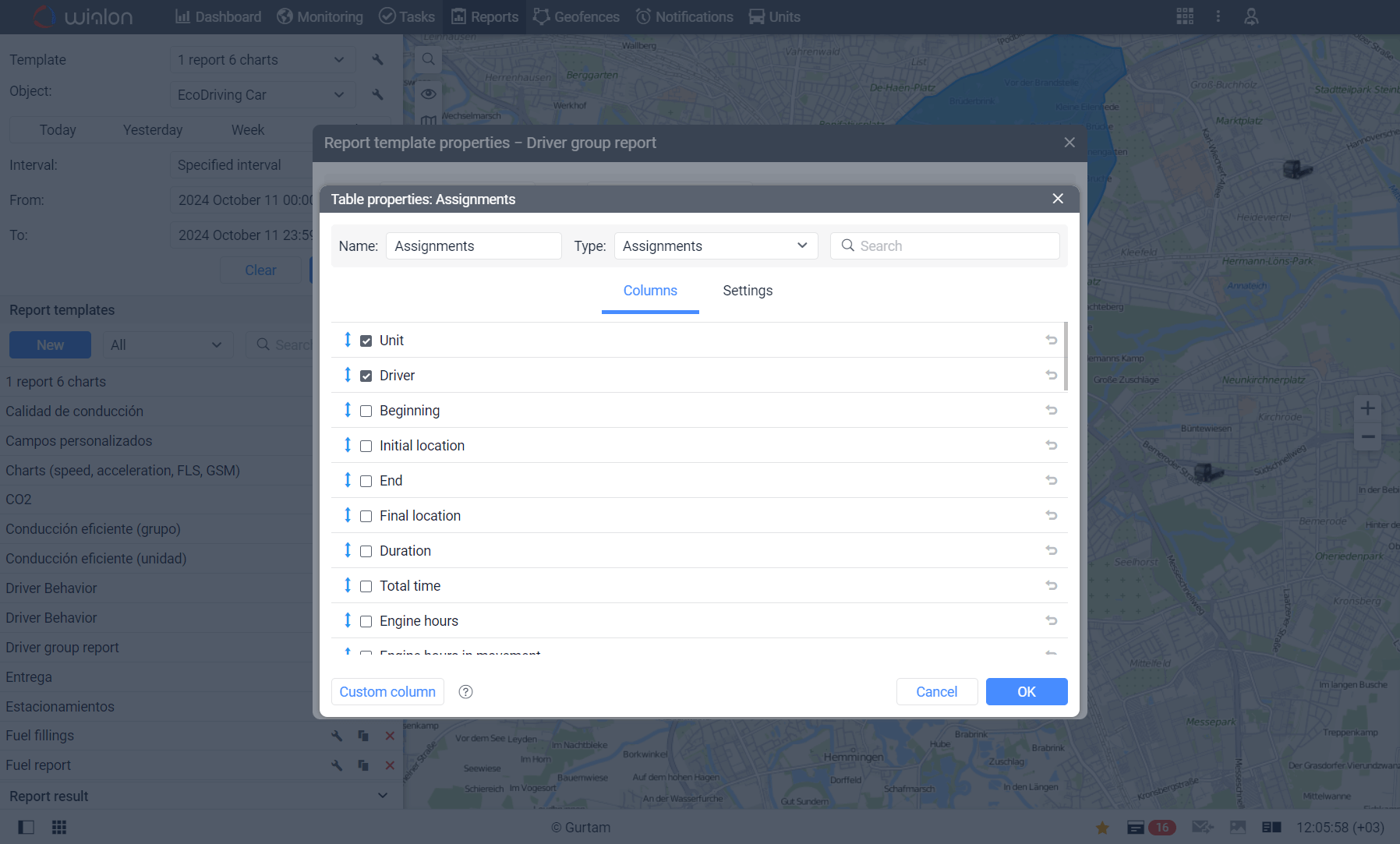
Wialon can incorporate idling into its Eco Driving analysis, allowing businesses to evaluate excessive idling alongside other configured driving criteria. Idling events can be associated with duration, location, driver information when assigned, and other available report data, giving managers useful context when reviewing fleet performance. Instead of relying on assumptions, businesses can use recorded data to identify patterns, discuss unnecessary idling with drivers, and measure whether coaching or operational changes are producing improvements over time.

Take Greater Control of Fleet Idling with Wialon
Wialon idling reports transform vehicle and engine data into practical information that can help businesses understand idling behaviour, monitor fuel use, and improve fleet efficiency. With the right tracking hardware and system configuration, managers can use historical reporting to find recurring problems and Wialon notifications to respond when configured idling conditions occur. Forall Tracking can help your business use Wialon to gain greater visibility into fleet operations and make better decisions from your tracking data. Contact us to learn more about Wialon idling monitoring and reporting.
Frequently Asked Questions
What are idling reports in Wialon?
Wialon idling reports help fleet managers identify periods when tracked vehicles remain stationary while their engines are running. This information can be used to understand idling patterns and improve fleet efficiency.
How does Wialon detect vehicle idling?
Wialon can identify idling using available engine-hour or ignition information together with vehicle movement or speed data. Detection accuracy depends on the tracking device, sensors, transmitted data, and system configuration.
What information can Wialon idling reports show?
Depending on the report and available tracking data, Wialon can provide information such as idling duration, engine hours, location, mileage, movement time, fuel consumption, and assigned driver information.
Can Wialon show how long a vehicle has been idling?
Yes. Wialon can record and report the duration of detected idling periods, helping fleet managers understand how much operating time vehicles spend stationary with their engines running.
Can Wialon identify where vehicle idling occurred?
Yes. Available location data can provide geographic context for vehicle activity, helping managers determine where unnecessary or recurring idling is taking place.
Can Wialon help identify excessive idling?
Yes. Fleet managers can review historical idling data to identify vehicles, drivers, locations, or operating patterns associated with excessive idling.
Can Wialon monitor fuel consumed while idling?
Wialon can report fuel consumed during idle running when the necessary fuel data is available from compatible tracking hardware or sensors and the system is configured appropriately.
How can reducing idling help lower fleet fuel costs?
Unnecessary idling consumes fuel without adding productive mileage. Identifying excessive idling can help businesses develop operating practices that reduce avoidable fuel consumption and associated costs.
Can Wialon idling reports help improve driver behaviour?
Yes. Managers can use recorded idling information during driver coaching to identify recurring behaviour, establish expectations, and evaluate whether idling patterns improve over time.
Does Wialon include idling in Eco Driving analysis?
Yes. Wialon Eco Driving can include excessive idling as a configured evaluation criterion, allowing it to be considered alongside other driving behaviours when assessing fleet performance.
Can Wialon associate idling with individual drivers?
When driver identification and assignment are properly configured, Wialon reports can provide driver information that helps managers understand which drivers were associated with recorded vehicle activity.
Can I compare idling between different vehicles?
Yes. Wialon reporting can help managers review operational information across tracked vehicles, making it easier to identify vehicles or parts of the fleet with unusual or recurring idling patterns.
Can Wialon provide historical idling data?
Yes. Wialon reports can be generated for selected historical periods, allowing businesses to review past idling activity and monitor changes in fleet performance over time.
Can Wialon send notifications about excessive idling?
Wialon notifications can be configured around supported vehicle conditions and parameters. Available options depend on the tracking data, notification settings, and system configuration.
Can Wialon idling data help reduce unnecessary engine hours?
Yes. Identifying unnecessary stationary engine operation can help managers reduce avoidable engine running time and gain a clearer understanding of how vehicles are being used.
Can idling reports help fleet managers create an anti-idling policy?
Yes. Historical idling data can provide an objective baseline for developing an anti-idling policy, identifying recurring problems, and measuring changes after new operating guidelines are introduced.
Are Wialon idling reports useful for construction and service fleets?
Yes. Idling information can be useful for many fleet types, including construction, delivery, transportation, field service, and other operations where vehicles may spend significant time stationary with their engines running.
Does Wialon require additional sensors to track idling?
Requirements depend on the vehicle, tracking device, and desired reporting accuracy. Wialon needs appropriate data, such as ignition, engine-hour, speed, or other supported information, to determine vehicle operating conditions.
How often should fleet managers review idling reports?
The appropriate frequency depends on the fleet and its goals. Regular reviews can help managers identify recurring patterns, evaluate driver coaching, and determine whether operational changes are reducing unnecessary idling.
How can Forall Tracking help with Wialon idling reports?
Forall Tracking can help businesses use Wialon fleet management tools to monitor vehicle activity and gain better insight into idling. Contact us to learn how Wialon reporting can support your fleet management needs.

Check Pricing
All of our GPS tracking solutions are customized for your business and tailored to your budget...

Return on Investment
At GPS Tracking Canada, we understand that every company benefits from GPS Tracking in different ways...

Request a Demo
Get a live one-on-one demonstration from GPS Tracking Canada. See for yourself how customized...
For more information, or to schedule a demo or an installation,