
How Idling Reports Help Fleets Reduce Fuel Waste

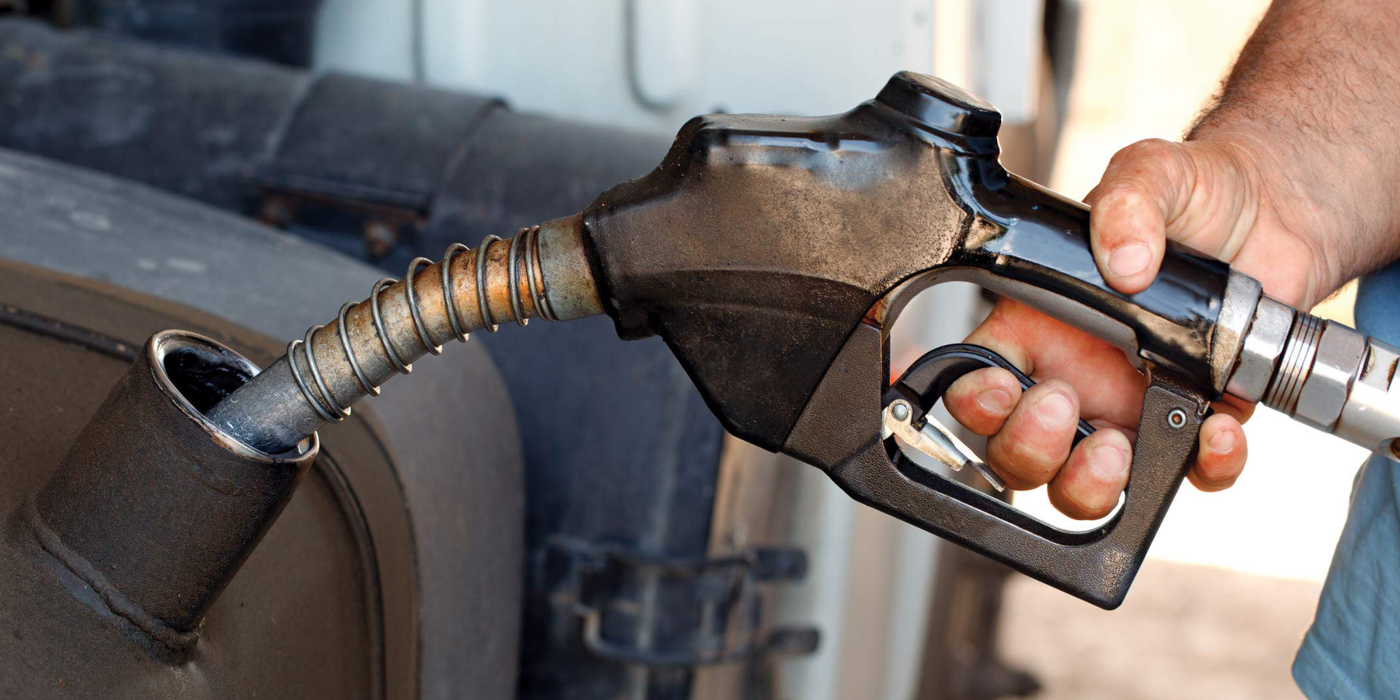
Fuel costs are one of the most visible operating expenses for any vehicle fleet, but not every litre of fuel is spent moving a vehicle toward its destination. Every day, vehicles may sit with their engines running while drivers wait at customer locations, complete paperwork, warm up their vehicles, take breaks, or prepare for their next assignment. A few minutes may seem insignificant, but repeated across dozens of vehicles and hundreds of working days, unnecessary idling can become a substantial source of fuel waste.
For fleet managers, the challenge is identifying when idling occurs, how long it lasts, and where the biggest opportunities for improvement are. Wialon helps turn GPS and vehicle information into reports that make these patterns easier to identify. By reviewing idle time alongside engine hours, trips, locations, and available fuel information, fleets can move from assumptions to measurable decisions about fuel efficiency.
Why Vehicle Idling Deserves Attention
An idling engine continues consuming fuel even though the vehicle is not covering any distance. Natural Resources Canada estimates that an average vehicle with a 3-litre engine wastes about 300 millilitres of fuel for every 10 minutes it idles. The actual amount varies with engine size, vehicle type, accessory loads, weather, and operating conditions.
The effect becomes much easier to appreciate at fleet scale.
Consider a hypothetical fleet of 50 vehicles. If each vehicle unnecessarily idles for an average of 30 minutes per working day, and each consumes approximately 0.9 litres during that period based on the NRCan example, the fleet could consume around 45 litres without moving each day. Across 250 working days, that would equal approximately 11,250 litres of fuel.
The exact numbers will differ from fleet to fleet, which is precisely why measurement matters. Instead of relying on a generic estimate, fleet managers can use their own operational data to establish a baseline and determine where excessive idling is actually occurring.
Reducing unnecessary idling may provide benefits beyond direct fuel savings. The U.S. Department of Energy notes that reducing idling can save fuel and money while reducing engine wear and pollution. For a large fleet, small improvements repeated across many vehicles can therefore have a meaningful cumulative effect.
What Is an Idling Report?
An idling report organizes vehicle data so fleet managers can identify periods when a vehicle’s engine was operating while the vehicle was stationary.
In Wialon, engine-hours reports can display idling time alongside information such as the beginning and end of an engine-hours interval, location, time in motion, mileage, and other available vehicle data. Wialon defines idling in this context as time when the unit is stationary while the engine is on.
This transforms an otherwise invisible expense into something managers can investigate. Instead of simply noticing that a vehicle’s overall fuel use appears high, a manager can ask more useful questions:
- Which vehicles accumulate the most idle time?
- How frequently does excessive idling occur?
- Are certain drivers, routes, shifts, or locations associated with longer idle periods?
- Does idling happen primarily at the beginning of the workday, at customer sites, or between assignments?
- Is idle time improving after drivers receive coaching or operating procedures change?
These questions allow a fleet to look for repeatable patterns rather than treating each incident in isolation.
Connecting Idle Time With Fuel Consumption
Knowing that a vehicle idled for 40 minutes is useful. Knowing how much fuel that idle time may have consumed makes the information more actionable.
Depending on the hardware, sensors, and configuration available, Wialon reports can include fuel consumed during idle running and average idle fuel consumption. Wialon supports different methods of determining fuel consumption, including information from compatible fuel sensors and configured calculations.
This means a fleet can potentially compare engine activity, movement, and fuel information rather than judging efficiency solely by total fuel purchases.
However, exact fuel-consumption information should not be assumed to be available for every installation. The information Wialon can report depends on the tracking hardware, vehicle data, sensors, and system configuration. Wialon’s documentation also notes that idling cannot be detected through the Engine Hours table if the equipment does not provide the required speed information.
This distinction is important. A properly configured system provides far more meaningful information than simply applying a generic litres-per-hour estimate to every vehicle.
Finding the Vehicles With the Biggest Opportunities
A fleet does not necessarily need to eliminate every minute of idling. A more practical approach is to identify the vehicles responsible for disproportionate amounts of unnecessary idle time.
For example, if most vehicles average 15 minutes of idling per day but several consistently accumulate an hour or more, those vehicles deserve closer investigation. A high fleet-wide average can sometimes be driven by a relatively small number of repeated behaviours.
Wialon’s reporting capabilities allow data about units and drivers to be combined and analyzed in reusable reports. Managers can compare reporting periods to establish a baseline, identify exceptions, and then measure whether corrective actions are working.
This makes idling reduction much more targeted. Instead of sending a general reminder to every employee, managers can focus attention where the data shows the greatest opportunity.
Understanding Where and Why Idling Happens
An idling event alone does not tell the complete story.
Some idling is operationally necessary. Vehicles may need to remain running to support equipment, maintain safe operating conditions, or satisfy specific job requirements. Weather can also affect what constitutes reasonable idle time. For these reasons, a fleet should avoid automatically treating every stationary engine-on period as waste.
Location and trip information can provide important context. A vehicle repeatedly idling at the company yard may indicate a different problem from one waiting at a busy customer facility. Long periods between trips could reveal scheduling inefficiencies, while repeated idling at the beginning of every shift may indicate a driver habit.
Wialon can also use geofences to associate vehicle activity with defined locations such as yards, customer properties, depots, or worksites. Looking at idle events in the context of these locations can help managers separate unavoidable operating requirements from behaviour that can realistically be changed.
The goal should be to reduce unnecessary idling without interfering with legitimate operational needs.
Turning Idling Data Into Driver Coaching
Reports are most valuable when they lead to action.
Once fleet managers establish what reasonable idling looks like for their operation, the information can support specific driver coaching. Instead of telling a driver simply to “idle less,” a manager can discuss recurring events, their duration, and the situations in which they occur.
Wialon also includes idling as a configurable Eco Driving criterion. The platform can identify periods when the engine is running while a vehicle is not moving, and managers can configure minimum and maximum idling thresholds.
That can make expectations more consistent across the fleet. Drivers can understand which behaviours are being measured, while managers can evaluate performance using the same criteria from one reporting period to another.
The objective should not simply be to identify poor behaviour. Reports may also reveal operational causes outside the driver’s control, such as excessive waiting at a particular facility or inefficient scheduling. In those cases, the appropriate solution may be a change to the workflow rather than driver coaching.
Using Notifications to Address Excessive Idling Earlier
Historical reports are effective for discovering patterns, but some fleets may also want to respond to excessive idling while it is occurring.
Wialon’s notification functionality can be configured to detect a vehicle that remains stationary with its engine running beyond a defined period. This allows fleets to define a reasonable threshold instead of reacting whenever a vehicle briefly stops.
For example, a fleet might determine that short periods of idling are normal but that an engine running for an extended period while the vehicle remains stationary deserves attention. A configured notification can make that exception more visible.
Reports and notifications therefore serve complementary purposes. Notifications can help address individual events, while reports show whether the fleet has a broader, recurring idling problem.
Measuring Improvement Over Time
One of the greatest advantages of an idling report is the ability to establish a measurable baseline.
A fleet could record its total idle time during an initial reporting period and then introduce realistic reduction targets. After implementing driver coaching, changing procedures, or addressing known sources of waiting time, managers can run comparable reports to determine whether idle time has actually decreased.
Useful measurements can include:
- Total idle time
- Average idle time per vehicle
- Number of excessive-idling events
- Idle time relative to engine hours
- Fuel consumed during idle running, when supported
- Changes in idling from one reporting period to another
This creates a continuous improvement process. If results improve, managers have evidence that the changes are working. If they do not, the fleet can investigate further rather than assuming the policy was effective.
Natural Resources Canada identifies reducing vehicle idling as an important fuel-efficiency practice. Telematics reporting gives fleets a practical way to measure that behaviour instead of relying solely on policies or estimates.
From Hidden Fuel Waste to Measurable Savings
Unnecessary idling can be easy to overlook because the vehicle is not travelling anywhere and the fuel loss happens gradually. Across an entire fleet, however, those minutes can accumulate into hundreds or thousands of engine hours and a significant amount of fuel.
Wialon idling reports help make that hidden activity visible. By reviewing idle time alongside engine hours, trips, locations, and supported fuel information, managers can identify inefficient patterns, distinguish necessary idling from avoidable waste, provide targeted coaching, and measure improvement over time.
Reducing idle time does not require eliminating every stationary engine-on event. It requires understanding where unnecessary idling occurs and making practical changes based on reliable fleet data.
Forall Tracking can help your business use Wialon reporting and GPS tracking information to better understand vehicle activity and identify opportunities to reduce unnecessary fuel consumption. If you want to make fleet idling more visible and turn that information into practical operating improvements, contact us to learn how we can help.
Frequently Asked Questions
What is vehicle idling?
Vehicle idling occurs when a vehicle’s engine is running while the vehicle remains stationary.
Why is excessive idling a problem for fleets?
Excessive idling consumes fuel without moving the vehicle, increasing operating costs and potentially contributing to unnecessary engine wear and emissions.
What is a Wialon idling report?
A Wialon idling report uses recorded vehicle activity to help fleet managers identify when vehicles remain stationary while their engines are running.
What information can Wialon provide about idling?
Depending on the available vehicle data and configuration, Wialon can provide information such as idle duration, start and end times, location, engine hours, mileage, and supported fuel-consumption data.
How can idling reports help reduce fuel waste?
Idling reports help managers identify vehicles and operating situations with excessive idle time so they can investigate the causes and take targeted action.
Can Wialon show how long a vehicle has been idling?
Yes. When the necessary data is available, Wialon can identify stationary periods with the engine running and report their duration.
Can Wialon calculate fuel consumed while idling?
Depending on the installed hardware, sensors, vehicle data, and configuration, Wialon can report fuel consumed during idle running and average idle fuel consumption.
Does every GPS tracker provide exact idle fuel consumption?
No. Exact fuel information depends on the tracking device, available vehicle data, connected sensors, and how the system is configured.
Can fleet managers identify which vehicles idle the most?
Yes. Reports can be used to compare vehicle activity and identify units that consistently accumulate unusually high amounts of idle time.
Can idling reports be used for driver coaching?
Yes. Managers can use recorded idling information to discuss specific patterns with drivers and establish measurable expectations for reducing unnecessary idling.
Does all vehicle idling count as fuel waste?
No. Some idling may be necessary because of weather, safety requirements, auxiliary equipment, operational procedures, or specific job requirements.
Can Wialon show where excessive idling occurs?
Yes. Location information can provide context for idling events and help managers determine whether they frequently occur at yards, customer locations, worksites, or other areas.
How can geofences help analyze vehicle idling?
Geofences define important locations such as depots, customer properties, and worksites. Managers can use location context to better understand where recurring vehicle activity occurs.
Can Wialon alert managers about excessive idling?
Yes. Notifications can be configured to identify certain conditions, such as a vehicle remaining stationary with its engine running beyond a defined period.
What is the difference between idling reports and idling notifications?
Reports help managers review historical activity and identify longer-term trends, while notifications can make configured excessive-idling events visible as they occur.
Can idling reports reveal operational inefficiencies?
Yes. Repeated idling at particular locations or during certain parts of the workday may reveal excessive waiting, scheduling problems, inefficient workflows, or driver habits.
How can fleets measure improvements in idling?
Fleet managers can establish a baseline and compare total idle time, average idle time, excessive-idling events, and supported fuel information across reporting periods.
Can Wialon compare idling with engine hours?
Yes. Engine-hours reporting can include idling information, allowing managers to examine how much recorded engine activity occurs while vehicles are stationary.
Can reducing idling lower fleet operating costs?
Yes. Reducing unnecessary engine-on time can decrease fuel consumption and may also help reduce unnecessary engine use and associated operating expenses.
How often should fleet managers review idling reports?
The appropriate schedule depends on the fleet, but reviewing reports consistently, such as weekly or monthly, can help managers identify trends, evaluate problem vehicles, and measure whether improvement efforts are working.