
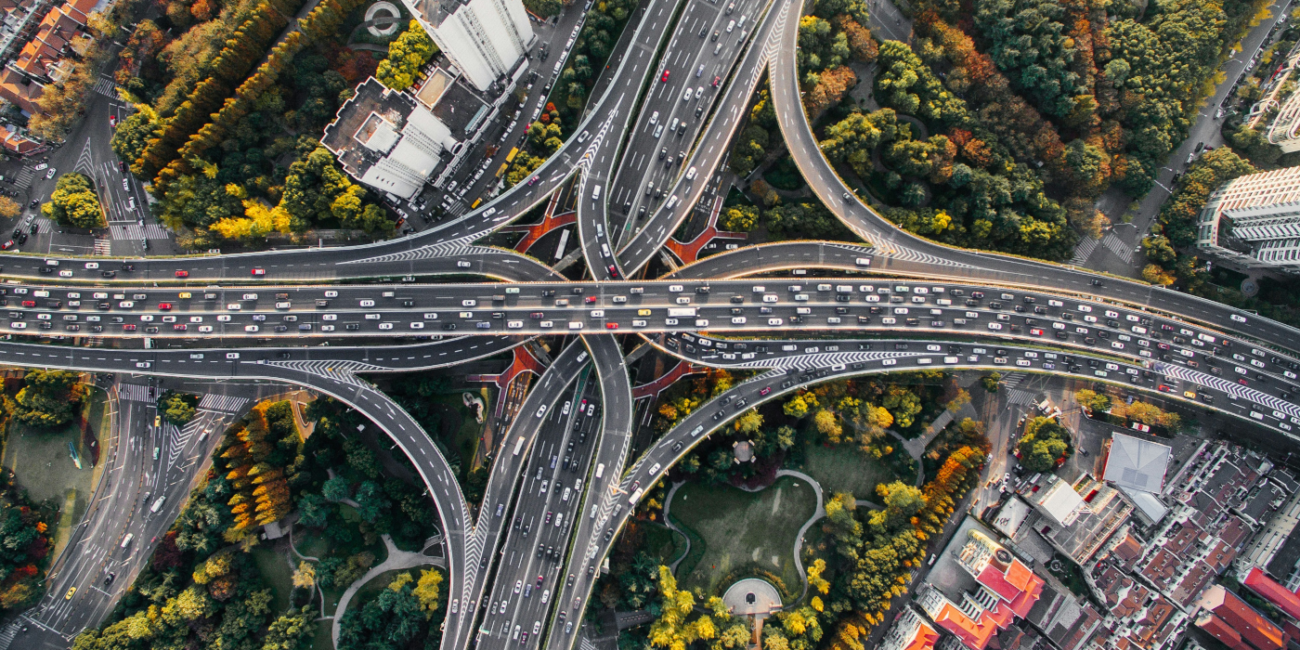
Geofencing Explained: How Virtual Boundaries Improve Fleet Control
Knowing where a vehicle is can answer an immediate question, but fleet managers often need more context. Has the driver reached the cus...
How to Use Trip History to Resolve Customer and Driver Disputes
Disagreements about fleet activity often begin with two different versions of the same event. A customer may claim that a technician ne...

How Real-Time GPS Tracking Improves Fleet Dispatching
Fleet dispatching involves much more than sending the next available driver to a new job. Dispatchers must consider where vehicles are ...

How Telematics Helps Fleets Navigate the 2026 Technician Shortage
Fleet vehicles are becoming more difficult to replace at the same time that qualified technicians are becoming harder to recruit and re...
How Telematics Data Helps Builders Win More Bids
Winning a construction bid requires more than submitting the lowest price. Builders must show that they understand the scope, can contr...
Talking to Employees About GPS Tracking in Company Vehicles
GPS fleet tracking can help businesses improve dispatching, protect vehicles, verify completed work, respond to emergencies, and better...
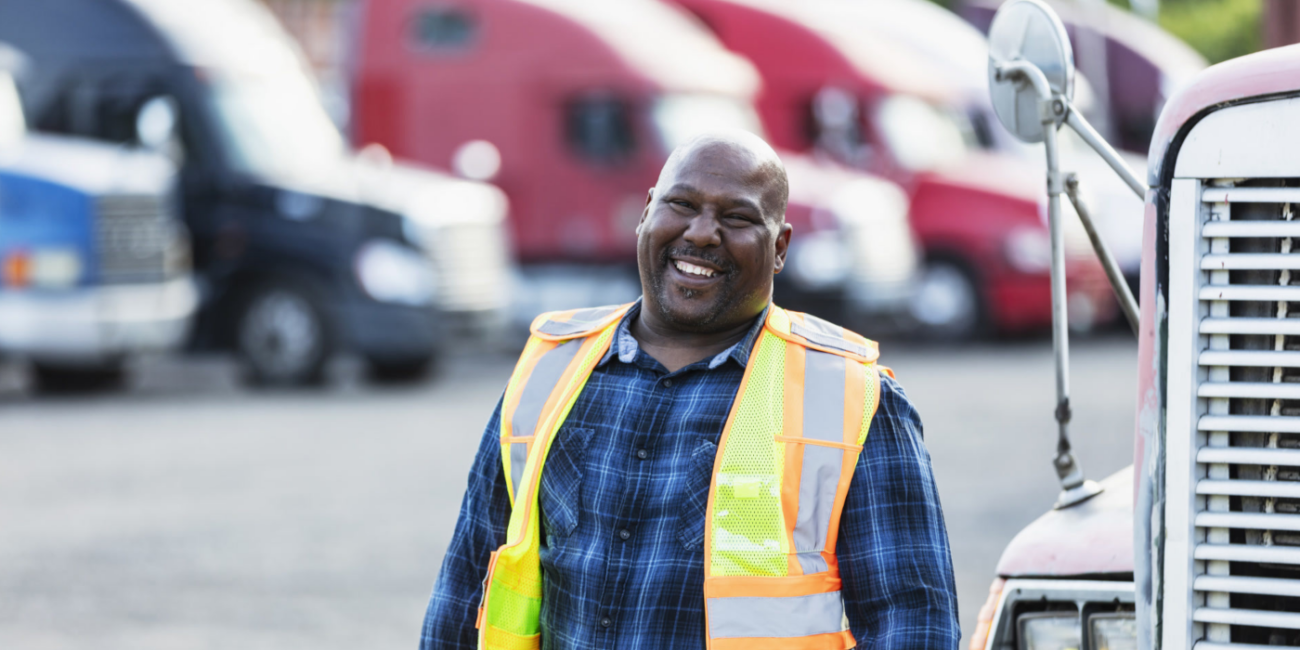
Dealing with the Driver Shortage: How Better Tech Improves Your Retention Rates
The driver shortage is often treated as a recruitment problem. Fleets advertise open positions, attend job fairs, increase referral bon...
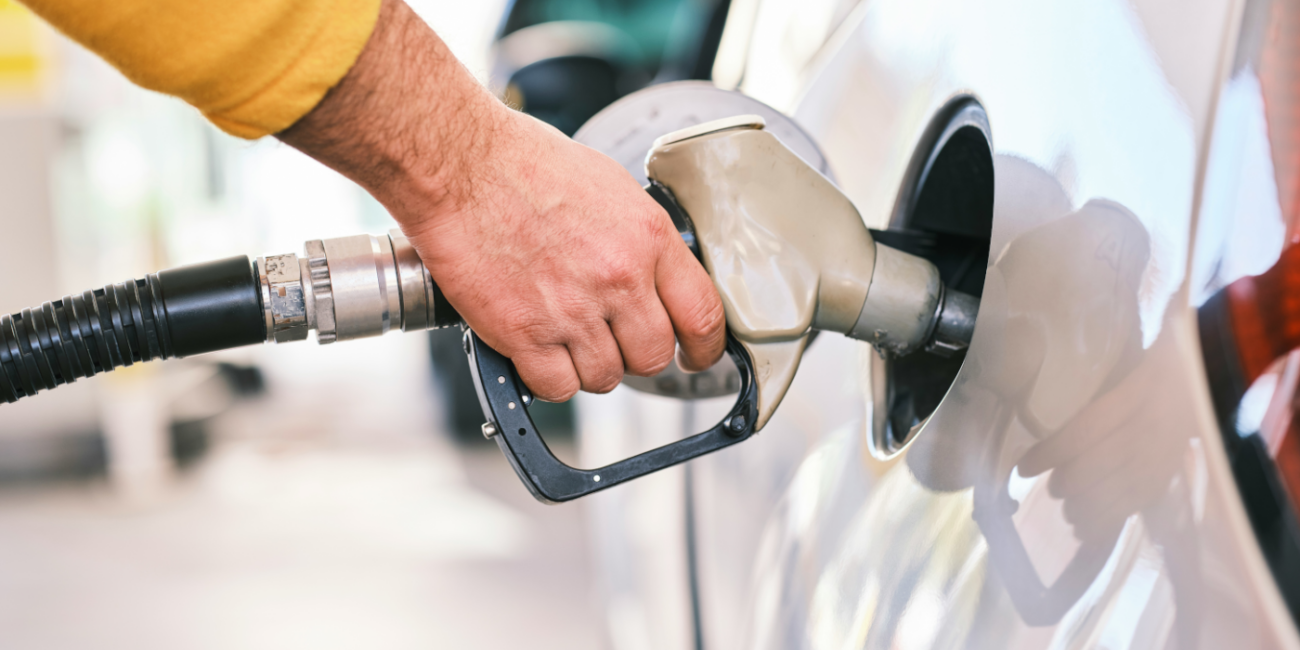
IFTA Audits Simplified: Generating Tax-Ready Fuel Reports
For fleets operating across state or provincial borders, fuel-tax reporting can become a time-consuming administrative task. Every quar...
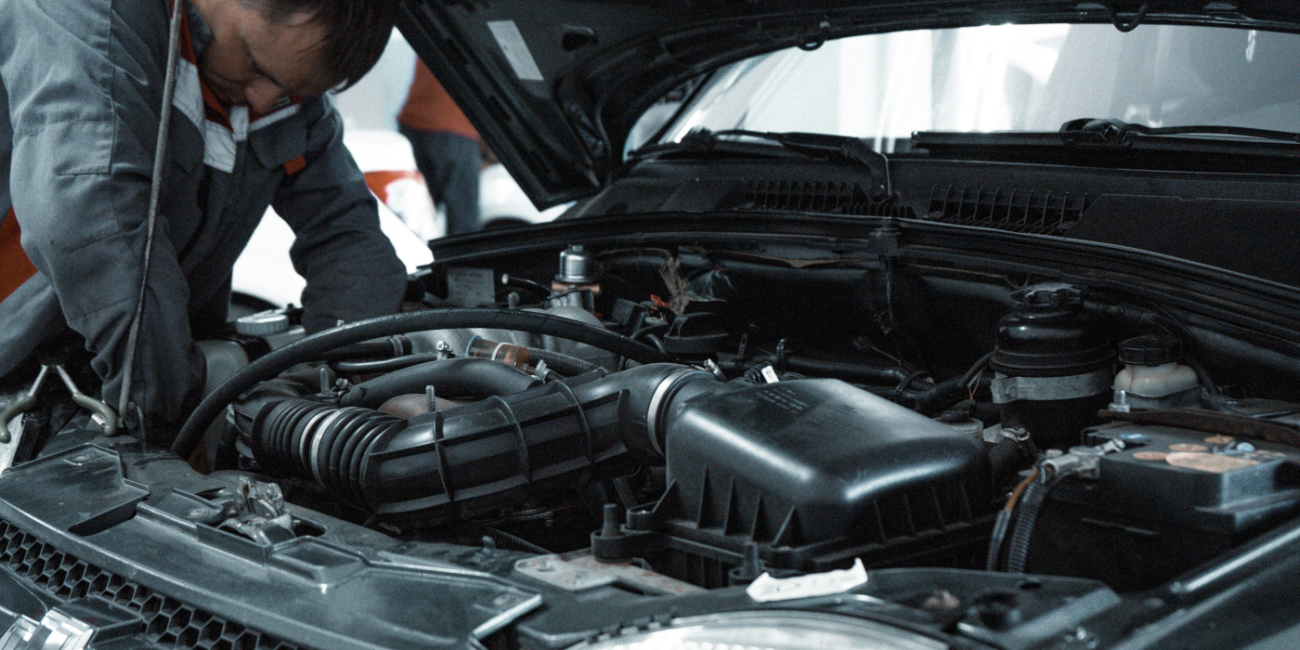
How AI-Powered Predictive Maintenance Can Cut Downtime by 30%
Every hour that a fleet vehicle or mobile asset is unavailable can disrupt schedules, delay customer service, reduce revenue and create...

How GPS Tracking Data Can Help Lower Fleet Insurance Costs
Fleet insurance premiums are influenced by many factors, including vehicle type, operating territory, annual mileage, claims history, d...