

ELD Rules in Canada vs. the United States: What Cross-Border Fleets
Operating commercial vehicles across the Canada–U.S. border means complying with two sets of electronic logging device (ELD) regulation...
How Visited-Geofence Reports Verify Jobsite Attendance
Knowing whether a vehicle actually reached a jobsite is essential for construction companies, contractors, utility fleets, field servic...
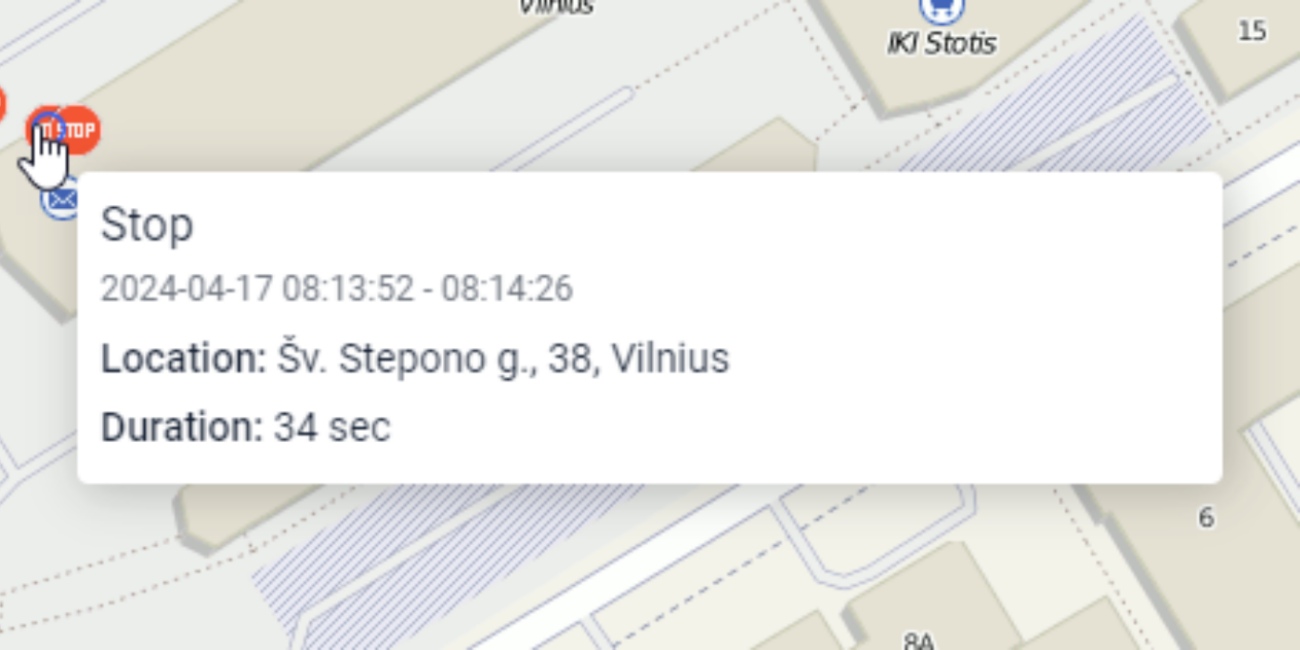
How to Use Stop Reports to Understand a Driver’s Workday
For fleet managers, understanding what happens between the beginning and end of a driver’s shift can be just as important as knowing ho...
How Engine-Hour Tracking Improves Maintenance Scheduling
Keeping fleet vehicles and equipment properly maintained requires more than simply following a calendar. Two vehicles purchased on the ...
How Idling Reports Help Fleets Reduce Fuel Waste
Fuel costs are one of the most visible operating expenses for any vehicle fleet, but not every litre of fuel is spent moving a vehicle ...

What Can a Fleet Speeding Report Tell You?
Speeding can be difficult to manage when supervisors rely on complaints, occasional observations, or a driver’s memory. A fleet speedin...

How to Detect Unauthorized After-Hours Vehicle Use
Company vehicles are valuable business assets. When they are used outside approved working hours, the consequences can include unnecess...

How Wialon Timesheets Simplify Driver and Employee Time Tracking
Tracking work hours sounds simple until employees spend most of the day away from the office. Drivers, service technicians, constructio...

Geofencing Explained: How Virtual Boundaries Improve Fleet Control
Knowing where a vehicle is can answer an immediate question, but fleet managers often need more context. Has the driver reached the cus...

How to Use Trip History to Resolve Customer and Driver Disputes
Disagreements about fleet activity often begin with two different versions of the same event. A customer may claim that a technician ne...