

Asset Tracking
Know Where Everything Is
Keeping track of vehicles is only part of managing a fleet. Trailers, generators, containers, skid steers, and tool crates can spend weeks on job sites, move between yards, get loaned out, or simply disappear from view. Asset tracking gives you a way to monitor these valuable assets, helping you know where they are, when they last moved, and how they are being used.
Asset trackers are designed for equipment and other assets that may not have a reliable power source. Long battery life allows them to operate for months or years, waking on a schedule or when movement is detected before reporting their location over the cellular network. You can view your tracked assets alongside your vehicles in the same asset tracking system, from a browser or mobile device.
What It Tracks
Anything That Can Go Missing
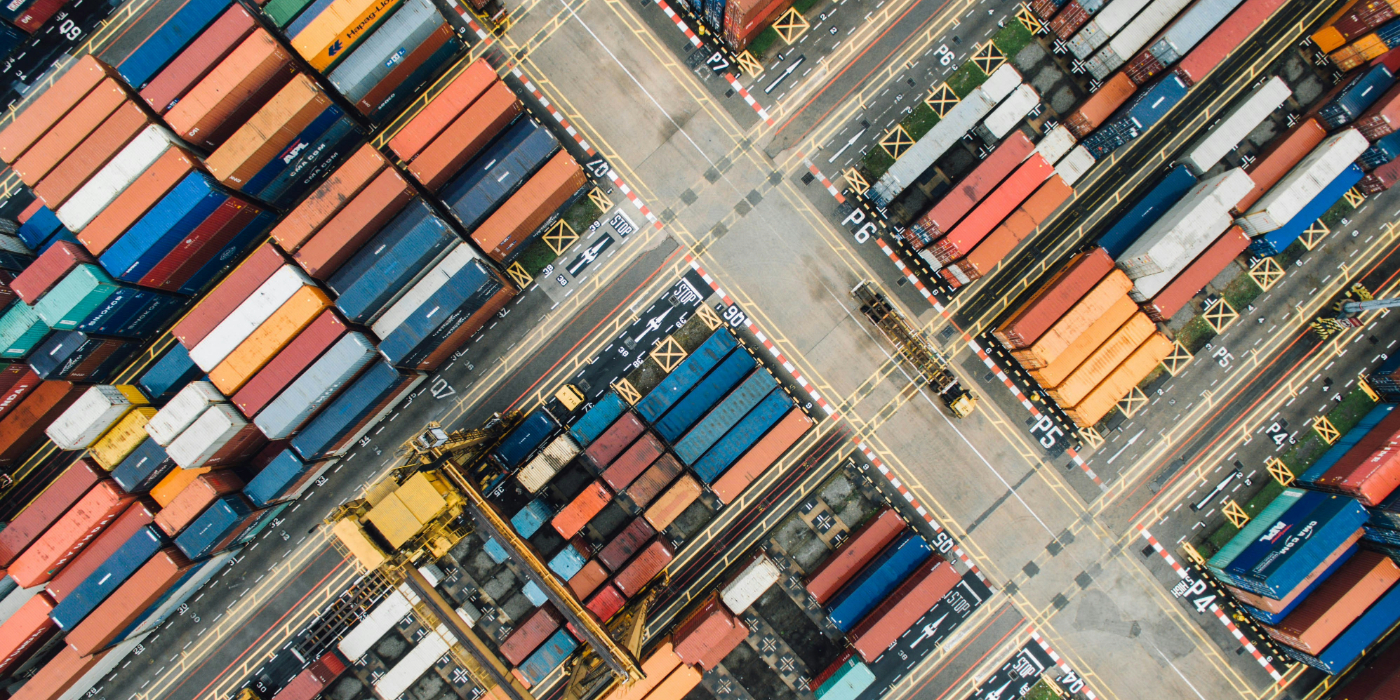
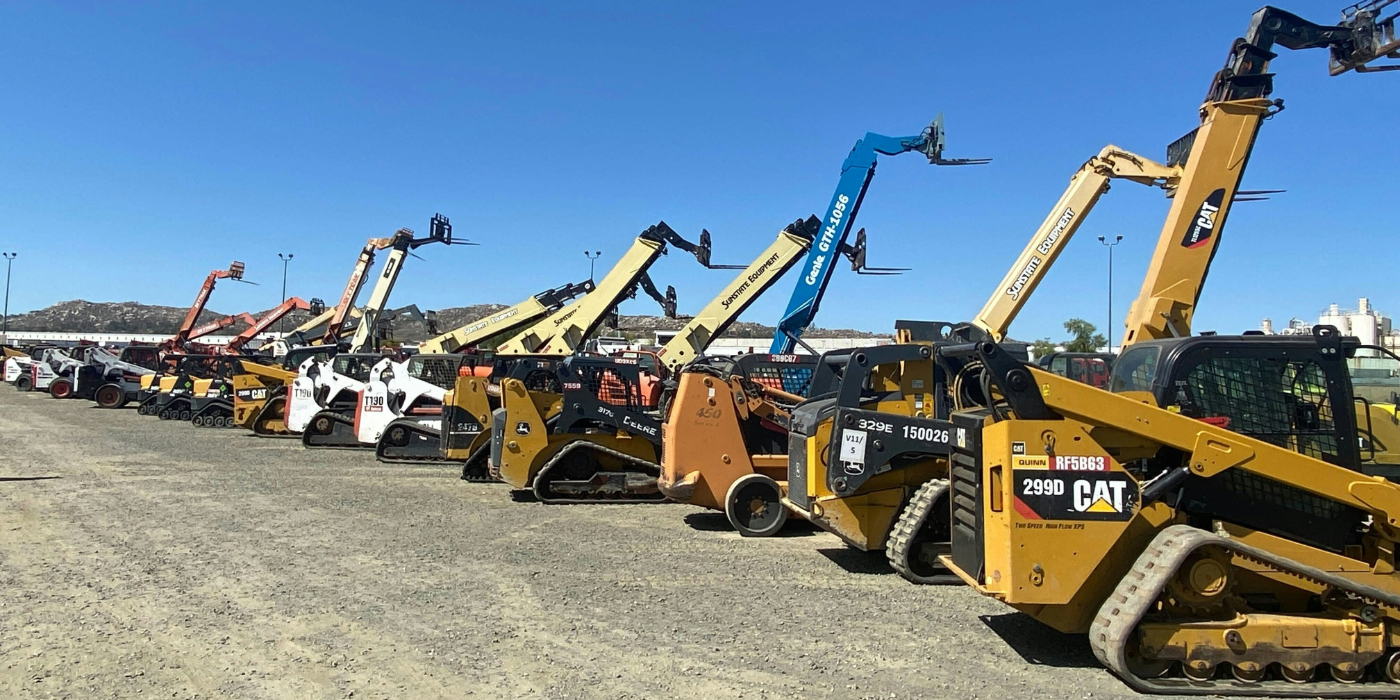
Asset trackers are made for equipment that is unpowered, shared, or left unattended. That covers trailers of every kind, flatbeds, reefers and enclosed cargo units. It covers heavy equipment like excavators, compressors, lifts and light towers that spend most of their life on someone else’s site. And it covers the smaller items that add up fast, such as tool boxes, pumps, bins, dumpsters and shipping containers.
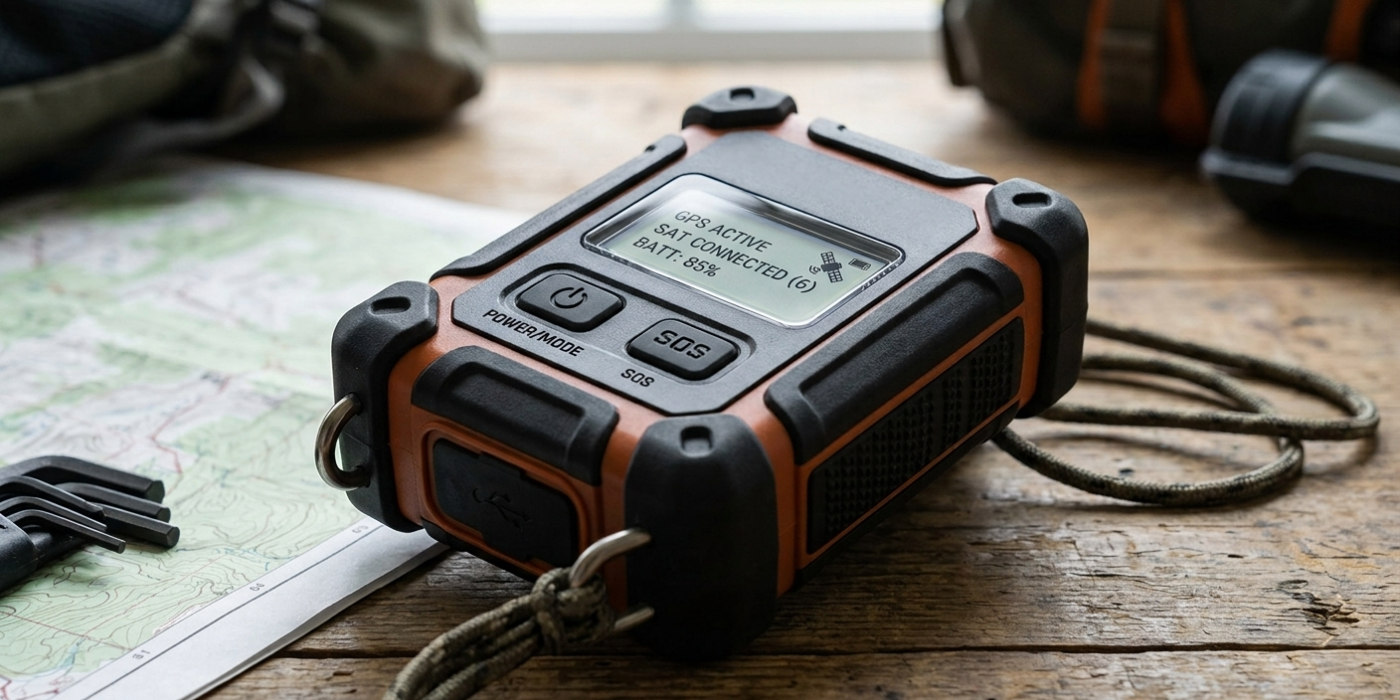
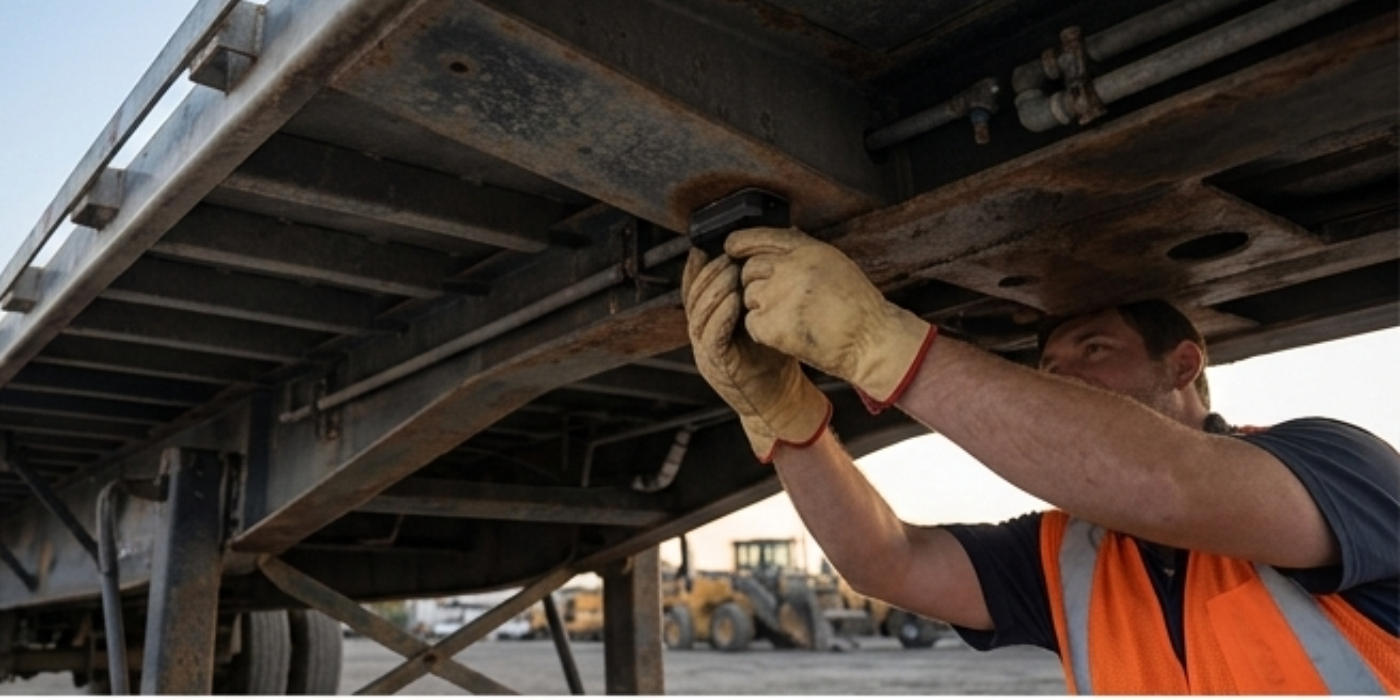
If it has value and it moves, or is supposed to stay put, it can be tracked. Devices come in rugged, weatherproof housings and mount with screws, bolts, magnets or industrial adhesive depending on the asset.

Asset Tracking Without Wiring
Years Of Life, No Wiring
The main difference between an asset tracker and a vehicle tracker is power. A vehicle tracker plugs into the vehicle and reports constantly. An asset tracker has to make its battery last, so it reports smart instead of often.
A typical setup checks in once or twice a day while the asset is sitting still, then switches to frequent updates the moment it starts moving. That gives you a daily heartbeat for everything in the yard and live tracking when something is actually on the road. Depending on how often you want updates, one battery can last anywhere from a year to several years. When it gets low, you get a warning with plenty of time to swap it.
For assets that do have power, like reefer trailers or equipment with a battery, there are hardwired versions that report continuously and never need a battery change.
Asset Tracking for Theft Recovery
Alerts Before It Is Gone
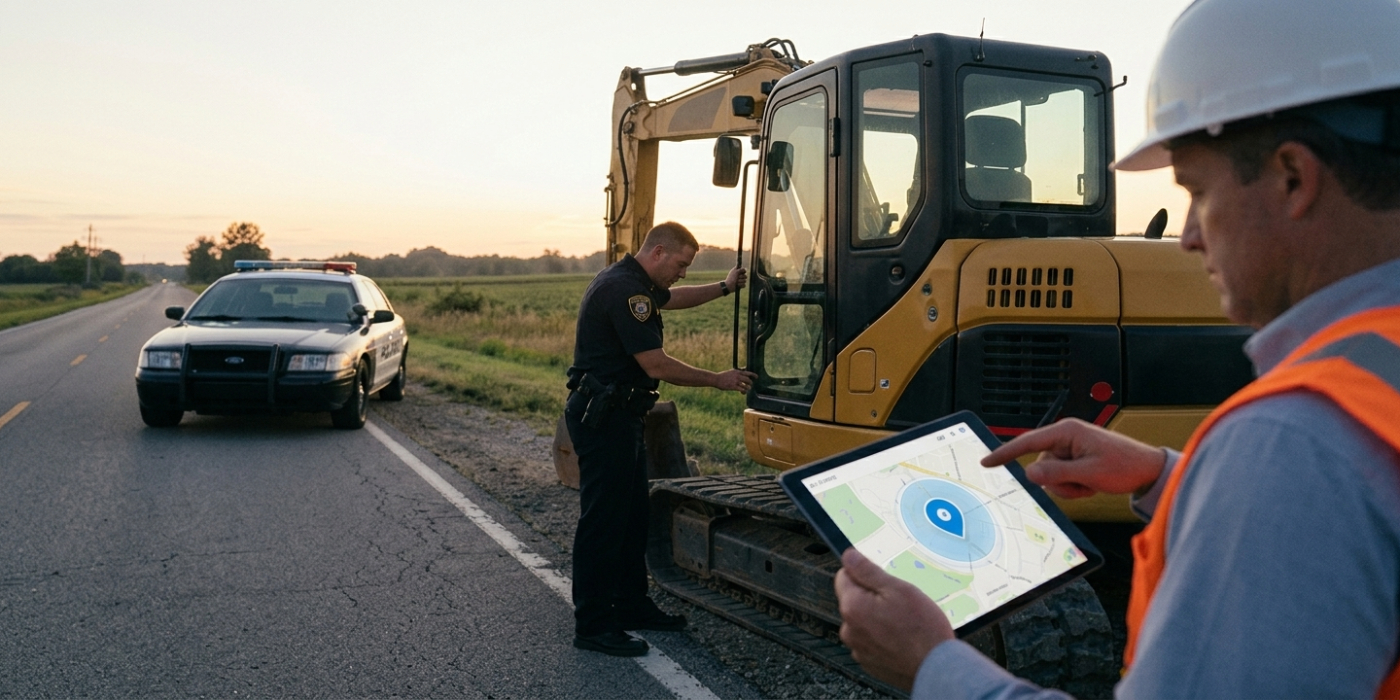
Equipment theft usually happens overnight or on weekends when nobody is around. An asset tracker does not need anyone watching. Set a geofence around the yard or job site and you get an alert the moment the asset crosses the line. Movement alerts do the same thing for assets that should not be moving at all.
If something is taken, the tracker keeps reporting its position so you can share the location with police and recover it quickly. Many trackers can be switched to a recovery mode that reports every few minutes until the asset is back. Small enough to hide, and with no wiring to spot, they are hard for a thief to find.
Utilization Reports
See What Is Actually Used
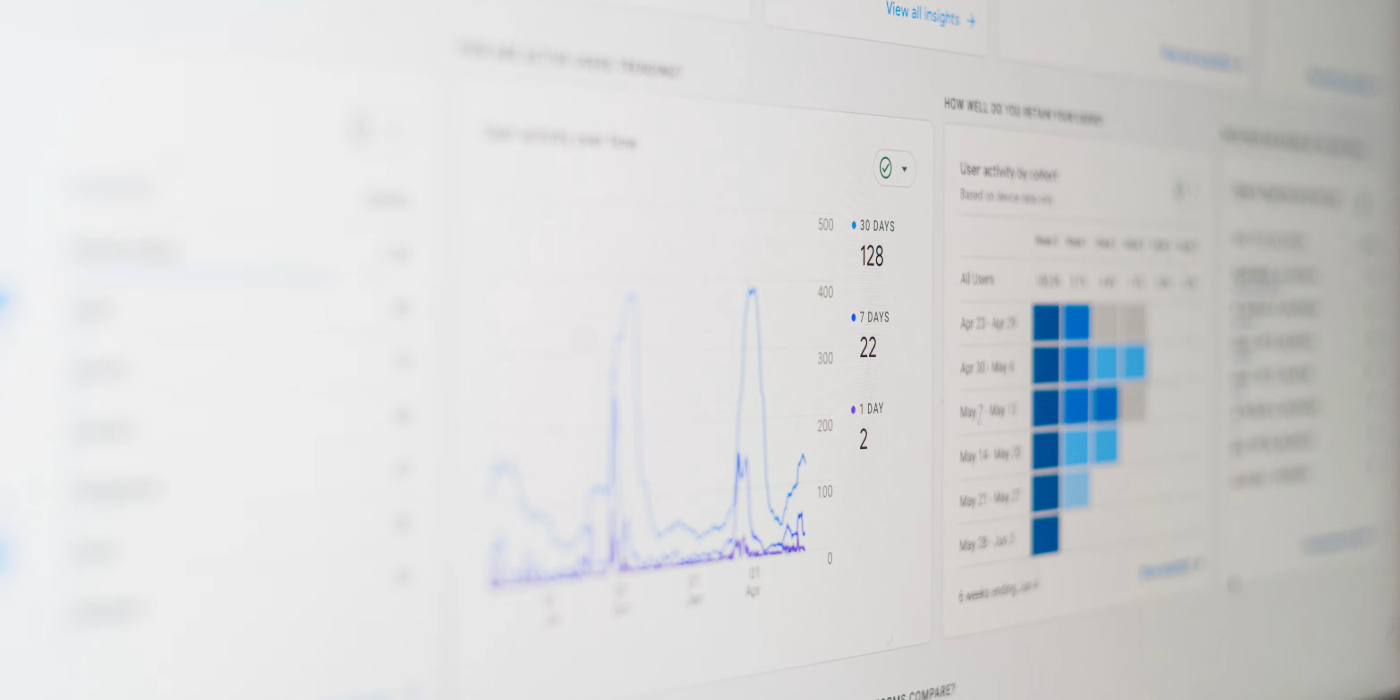
Knowing where an asset is only answers half the question. The other half is whether it is earning its keep. Asset tracking records every move, so you can see how many days a trailer sat idle last month, which generators have not left the yard all season, and which pieces of equipment are always on a job.
That information changes decisions. You stop renting equipment you already own. You move idle assets to the sites that need them. You know which units to sell and which to buy more of. And when a customer asks how long your trailer sat on their site, you have the dates.
Site And Yard Visibility
Every Asset On One Map
With trackers on your assets and your vehicles in the same system, you get a single map of the whole operation. Filter by asset type, by site, or by status to see what is where. Search for a specific unit by name or serial number and jump straight to it.
Geofences around customer sites, yards and depots turn locations into reports. See when an asset arrived, how long it stayed and when it left. Use that for billing, for proof of delivery, or just to settle the question of who moved the compressor last Tuesday.
Simple Installation
Mount It And Forget It
There is no wiring, no technician and no downtime. Most asset trackers mount in a few minutes with bolts, a bracket or a strong magnet, and some come with peel and stick adhesive for smooth surfaces. Pick a spot that is out of sight, protected from impact and has a reasonable view of the sky, then power it on.
The device registers itself on the platform, shows up on your map and starts reporting. You can name it, add a photo, group it with similar assets and set up alerts from your phone before you even leave the yard.
Who Uses It
Built For Real Operations
Construction companies track excavators, compactors and light towers spread across active sites. Rental yards track everything they hand to a customer. Landscapers and contractors track trailers and skid steers that would otherwise disappear over a long weekend. Logistics companies track containers and reefer units through the supply chain. Municipalities track bins, barriers and seasonal equipment.
It works for one trailer or a thousand assets. There is no minimum, and the same platform scales as you add more.
Want to Learn More?
Have questions or need more information about asset tracking? Our team is here to help! Reach out to us today to learn how we can assist with your fleet needs and ensure your fleet stays compliant and safe. Contact us now to get started!
Frequently Asked Questions
What is asset tracking?
Asset tracking uses GPS and other positioning technologies to monitor the location and movement of equipment, trailers, containers and other valuable assets. Businesses can view assets on a map, receive movement alerts and use location data to understand how equipment is being used.
What types of assets can be tracked?
Asset trackers can be used on trailers, containers, generators, excavators, skid steers, compressors, lifts, light towers, tool boxes, pumps, dumpsters and many other mobile or stationary assets. The right tracker depends on the asset, its power source and how frequently you need location updates.
Can I track equipment that does not have a power source?
Yes. Battery powered asset trackers are designed specifically for equipment that cannot be connected to a reliable electrical power source. They can operate for long periods without being wired into the asset.
How long does an asset tracking battery last?
Battery life depends on the device and how frequently it reports its location. A tracker configured for occasional check-ins and movement-based reporting can last for years, while more frequent updates use more battery power. Low battery alerts can help you replace or recharge the device before it stops reporting.
How does asset tracking work?
An asset tracker determines its location using satellite positioning and sends that information through a cellular network to the tracking platform. Depending on the device and environment, other positioning methods such as Wi-Fi or cellular positioning may also help determine an asset’s location.
Can asset trackers be used on trailers?
Yes. Asset tracking is commonly used for flatbed trailers, enclosed trailers, reefers, utility trailers and other trailer types. Battery powered or hardwired devices can be selected depending on whether the trailer has a dependable power source.
Can I track containers and equipment stored at a yard?
Yes. Trackers can provide visibility into containers, equipment and other assets stored at yards, depots and customer locations. Geofences can also notify you when an asset enters or leaves a designated area.
Can I receive an alert when an asset moves?
Yes. Movement alerts can notify you when an asset that is normally stationary begins moving. This can be useful for monitoring equipment at job sites, trailers in storage and other assets that should not be moved without authorization.
Can asset tracking help prevent equipment theft?
Asset tracking can help detect unauthorized movement quickly. Geofence and movement alerts can notify you when an asset leaves an approved area, while location tracking can provide useful information for recovery if equipment is stolen.
Can I use asset tracking for theft recovery?
Yes. If an asset is stolen, its location history can help show where it has traveled and where it is currently reporting. Some tracking devices can also increase their reporting frequency during recovery efforts.
What is a geofence in asset tracking?
A geofence is a virtual boundary placed around an area such as a yard, job site, warehouse or customer location. When a tracked asset enters or leaves that area, the system can record the event or send an alert.
Can I see my vehicles and equipment on the same map?
Yes. Asset trackers can be managed alongside vehicle tracking devices within the same platform. This gives fleet managers a single view of vehicles, trailers and equipment instead of requiring separate tracking systems.
Can asset tracking show how equipment is being used?
Yes. Location and movement data can help businesses understand where equipment goes, how long it remains at a site and how often it moves. This information can be used to identify assets that are frequently idle or heavily utilized.
How can asset tracking improve equipment utilization?
Asset tracking can show which equipment is sitting unused and which assets are regularly being deployed. Managers can use that information to move idle equipment to locations where it is needed, reduce unnecessary rentals and make better purchasing decisions.
Can asset tracking help reduce equipment rental costs?
It can. By showing which equipment is already available within your organization, asset tracking can help prevent businesses from renting additional equipment when an underused asset could be moved to the job instead.
Does asset tracking require professional installation?
Not usually. Many battery-powered asset trackers can be mounted using screws, brackets, magnets or industrial adhesive. Installation requirements vary by device and asset, but many deployments can be completed without wiring or a technician.
Can an asset tracker work inside a container or building?
It depends on the construction of the location and the tracker. GPS signals can be difficult to receive through enclosed metal structures, although some devices can use cellular or Wi-Fi positioning to provide an approximate location. Mounting the device where it has better signal visibility can improve performance.
Can I track assets across multiple job sites?
Yes. A centralized asset tracking platform can provide visibility across multiple yards, job sites and customer locations. Geofences and location history can help you see when equipment arrives, how long it stays and when it leaves.
What businesses use asset tracking?
Asset tracking can be useful for construction companies, equipment rental businesses, contractors, landscapers, logistics companies, municipalities and other organizations managing equipment or mobile assets. It can scale from a single trailer to large fleets of tracked assets.
What if I have questions about asset tracking?
Contact us. We will look at what you need to track, how often you need updates, and recommend the right tracker and reporting setup for your operation.

Check Pricing
Explore GPS fleet tracking solutions tailored to your business needs and budget.

Return on Investment
See how GPS fleet tracking can help improve efficiency, reduce costs and increase visibility across your fleet.

Request a Demo
Get a live, one-on-one demonstration and see how Forall Tracking can help your business.
For more information, or to schedule a demo or an installation,