

ELD Rules in Canada vs. the United States: What Cross-Border Fleets
Operating commercial vehicles across the Canada–U.S. border means complying with two sets of electronic logging device (ELD) regulation...

How Automated Fleet Reports Reduce Administrative Work
Fleet administration often involves more than managing vehicles. Office staff may spend hours collecting trip records, checking time en...
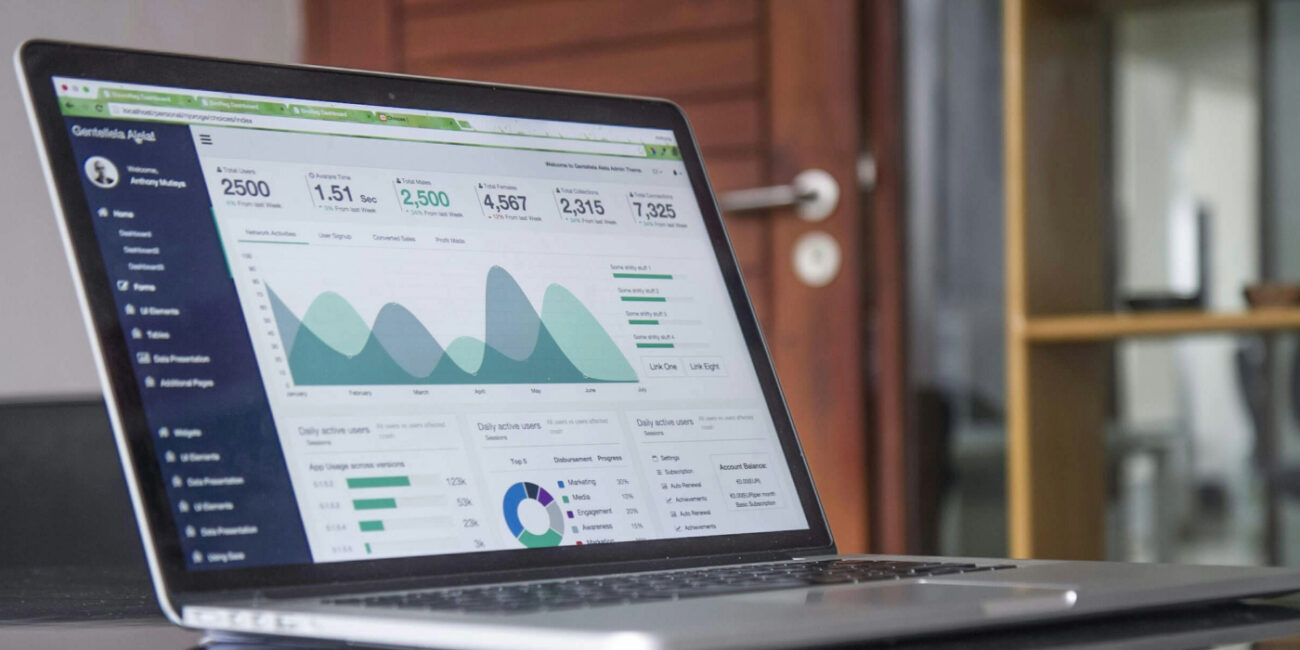
How Tracking Data Can Reveal Underused Fleet Vehicles and Equipment
Fleet vehicles and equipment can remain on a company’s asset list long after their operational role has changed. A truck may be assigne...

How to Measure Vehicle Utilization Using Fleet Tracking Data
Vehicle utilization measures how effectively a business uses the vehicles already in its fleet. A well-designed utilization analysis ca...

How GPS Reports Improve Job Costing for Mobile Workforces
For companies with technicians, contractors, installers, drivers, or equipment moving between customer locations, accurate job costing ...

Talking to Employees About GPS Tracking in Company Vehicles
GPS fleet tracking can help businesses improve dispatching, protect vehicles, verify completed work, respond to emergencies, and better...

Dealing with the Driver Shortage: How Better Tech Improves Your Retention Rates
The driver shortage is often treated as a recruitment problem. Fleets advertise open positions, attend job fairs, increase referral bon...

IFTA Audits Simplified: Generating Tax-Ready Fuel Reports
For fleets operating across state or provincial borders, fuel-tax reporting can become a time-consuming administrative task. Every quar...

How AI-Powered Predictive Maintenance Can Cut Downtime by 30%
Every hour that a fleet vehicle or mobile asset is unavailable can disrupt schedules, delay customer service, reduce revenue and create...

How GPS Tracking Data Can Help Lower Fleet Insurance Costs
Fleet insurance premiums are influenced by many factors, including vehicle type, operating territory, annual mileage, claims history, d...